Mobile app maintenance with AI: a month of Metro y Metrobús
One month of looking after our own transit app with AI: a review fixed in a day, a cost alert traced to one feature, and where a person said go.
Launching an app is the short part. Mobile app maintenance is the long one: reviews to answer, freezes to chase, bills to watch. Metro y Metrobús is our own transit app for Mexico City and other Mexican cities, with more than a million installs on Google Play and a 4.4 rating. We run it with AI inside Butler, our development cockpit. This is one month of that work.
What mobile app maintenance looked like in 30 days
Between October 19 and November 17 the project’s history shows eight Android versions and seven iPhone versions.
A three-star review became a fix in one day
On November 3 a user wrote on Google Play that choosing one bus system opened the lines of another. The next day we reproduced it on a test device: the app highlighted the right system and showed another one’s page. The data was fine; two screens were nested the wrong way. The fix went into the code that day and into version 3.35, and the user got a reply saying so. The daily support routine in Butler, which reads and answers new reviews every morning, found this one already answered and added a line to its report: check that 3.35 carries the fix.
The iPhone app had the opposite fault, described in two App Store reviews in October. Our first fix still crashed in some cases, so a second one went into version 4.0.
A cost tile pointed at one feature of the app
On November 6 the cost tile in Butler raised an alert: daily reads of the app’s cloud database had tripled since October 30, and the month was heading over the budget we had set. The alert named a date, so the question became what had shipped just before. On November 11 a chat in the same project found it: a small “For you” badge, in the Android app since version 3.33 of October 26, fetched every service alert every three hours in the background. The fix was written that day. It was built into the next release on November 16, waited for a go, and went live in version 3.37 on November 17.
Where the person came in
The routines report and propose. On November 17 the daily revenue review ended with “actions applied: none”, which it calls the normal outcome; the rest goes under “needs your decision”. Version 3.37 sat built until someone said go. This is the kind of moment we describe in five moments where a person must approve before AI continues.
What to take from this month
None of these threads started in the code. They started with a review and a bill, and each ended in a code change. Over eight weeks, weekly active users grew about 6 percent on both platforms, with a dip in the last two weeks. We do not claim a single cause.
This is how we work on mobile apps for iPhone and Android. If you have an app in the stores and want a second opinion on how it is looked after, book a free 30-minute consultation and project review.
Keep reading
 Field notes
How we automate bookkeeping so no invoice gets skipped
A field note from our own books: three AI routines chase tax invoices and check month-end gaps, a tile flags unpaid invoices. Real counts.
 Field notes
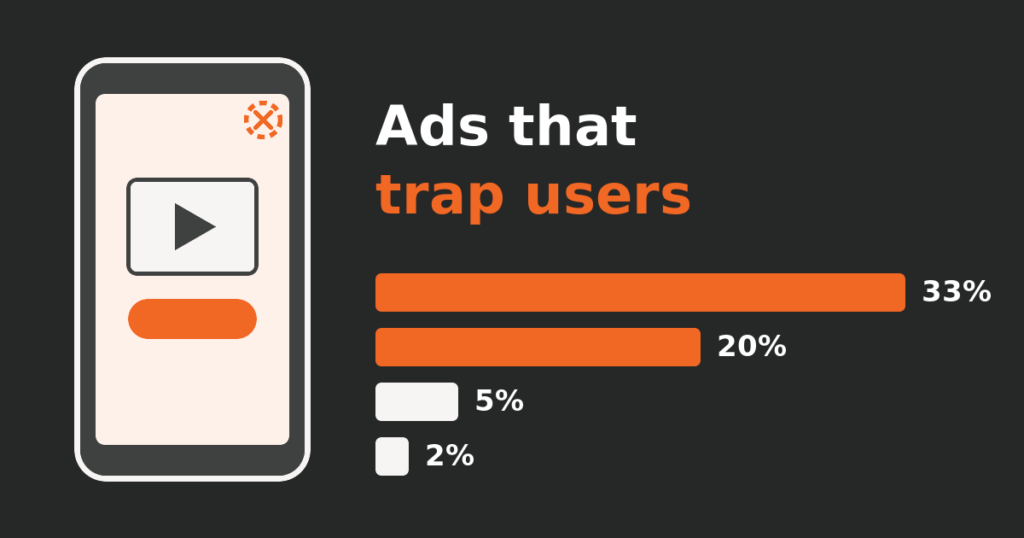
Increase app revenue? First find the ads that trap users
Our transit app's ad income looked healthy while some ads trapped users. How we counted it, what we switched off, and what the numbers did next.
 Field notes
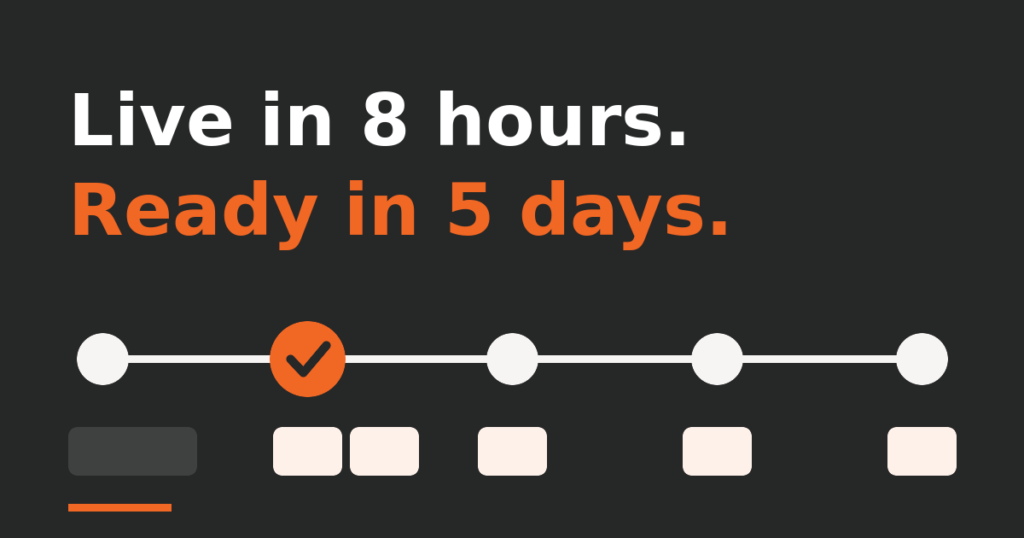
How long does it take to build a website? Ours took 5 days
Guides say a professional website takes months. Ours was live in under eight hours and ready for business in five days. The real log, errors included.