How to get more traffic from Google: one site, 40 reports
Forty daily Search Console reports from a young site: what the routine flagged, what we changed, what grew by 250 percent and what did not move.

Most advice on how to get more traffic from Google is a list of tips. This is a record instead: 40 daily Search Console reports from a young site in Mexico that we look after, and one week at a busier online store. It includes the numbers that did not move.
What the routine reads every morning
A routine is a scheduled job in Butler, our AI development cockpit. Each morning the AI reads Search Console, Google’s own record of the searches a site appears in. It compares the last 7 and 28 days with the periods before, checks that the main pages are in Google’s index, and puts one line on the project dashboard: green, amber or red. It looks for four things:
| Flag | The rule in our reports | What usually follows |
|---|---|---|
| Striking distance | A search at position 4 to 20 with 100 or more impressions | Rework the page and its title |
| Low click-through | 200 or more impressions and few clicks for its position | Rewrite the title and description |
| Not indexed | Google reports the page is not in its index | Links from other pages, an indexing request |
| Cannibalisation | Two or more of our own pages share one search | A person chooses the page that should own it |
How to get more traffic from Google when you start near zero
In the first report, on 9 October, the site had been shown 425 times in 28 days and clicked zero times, at an average position of 33. Three pages were not in Google’s index. The only search with enough impressions to trip a flag was the site’s own name.
The same day a person asked for the basics to be fixed. Ten empty title, description and keyword fields were filled on six pages. A weekly routine logged the old and new value of each field, to judge the change later.
By the report of 17 November, impressions over 28 days were 2,064 against 589 in the 28 days before, up 250 percent. Average position went from 27.9 to 12.2. Clicks went from 3 to 12. Two of the three missing pages are now indexed; one product page is not.
What we cannot claim
Twelve clicks is not a business result, and the titles did not earn the growth. After 38 days the weekly routine judged the six retitled pages and marked every one “keep (low data)”. Two of them were shown less than before. Most of the gain came from pages that had no impressions at all in the earlier period: four of the seven most-shown pages.
The alarm was also loud. The daily line was red on 26 of the 40 days, each time on one mechanical rule, such as a fall from 3 clicks to 1. The report itself said “treat as noise”; rules written in percentages overreact to small numbers. One item is still open: the site’s own name was shown 212 times in 28 days, at position 7.6, with zero clicks. The home page is protected from automatic edits, so its title waits for a person.
When two of your own pages compete
At a busier online store in Mexico, the weekly report of 16 November found one buying search spread across seven of the store’s addresses. Over 28 days a blog article had more impressions for it than the product page, 742 against 719, but half the clicks: 35 against 70.
Three days earlier the team had already acted: the article went back to its informational version so that it would stop competing with the product page, and bulk edits to products were frozen until the test can be read, about two weeks later. The result is not in. Search clicks at that store are down 30 percent over 28 days, and the report advises no edits to the main pages while a reported Google update runs: “Changing pages mid-update makes it impossible to tell the cause from the cure.”
The same dashboard holds the store’s orders. When sales alerts fired, the search data explained them: one product page had a ten-day run in Google, 29 of 34 paid orders in six days came from it, and the run ended. The site was not broken.
Where the person came in
The routines propose; people decide. A person asked for the first titles, because by its own rules the routine would have changed nothing. People chose which page should own the search and froze the edits. The store’s recommendations are headed “need approval”: the same idea as the moments where a person must say yes.
What to take from this
Look at search data on a schedule and compare periods. Write down every change with its date and the old value. Wait about a month before judging it. Read the reason behind a red line before reacting. That is how we run SEO for the sites we look after. If you want the same look at your own site, book a free 30-minute consultation and project review.
Keep reading
 Field notes
How we automate bookkeeping so no invoice gets skipped
A field note from our own books: three AI routines chase tax invoices and check month-end gaps, a tile flags unpaid invoices. Real counts.
 Field notes
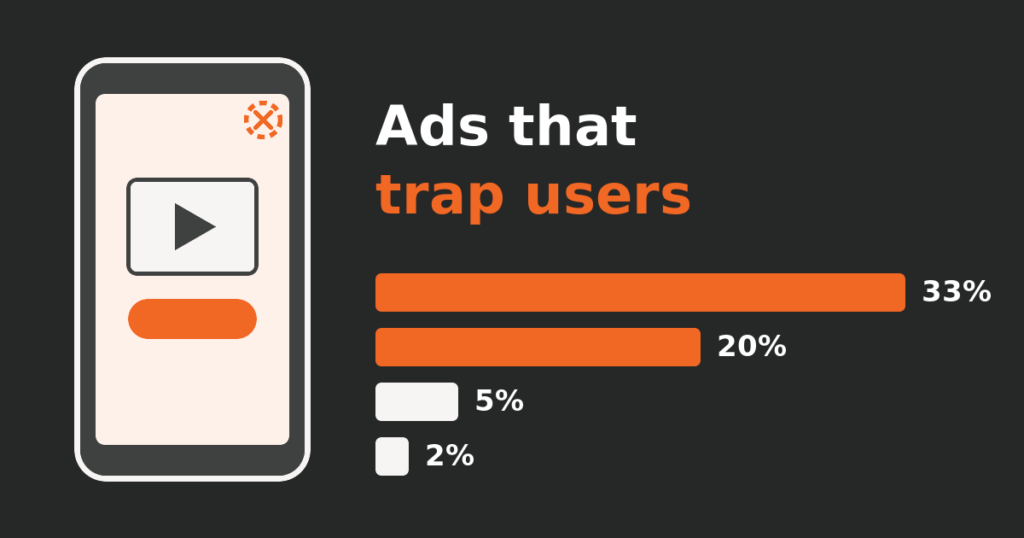
Increase app revenue? First find the ads that trap users
Our transit app's ad income looked healthy while some ads trapped users. How we counted it, what we switched off, and what the numbers did next.
 Field notes
How long does it take to build a website? Ours took 5 days
Guides say a professional website takes months. Ours was live in under eight hours and ready for business in five days. The real log, errors included.